
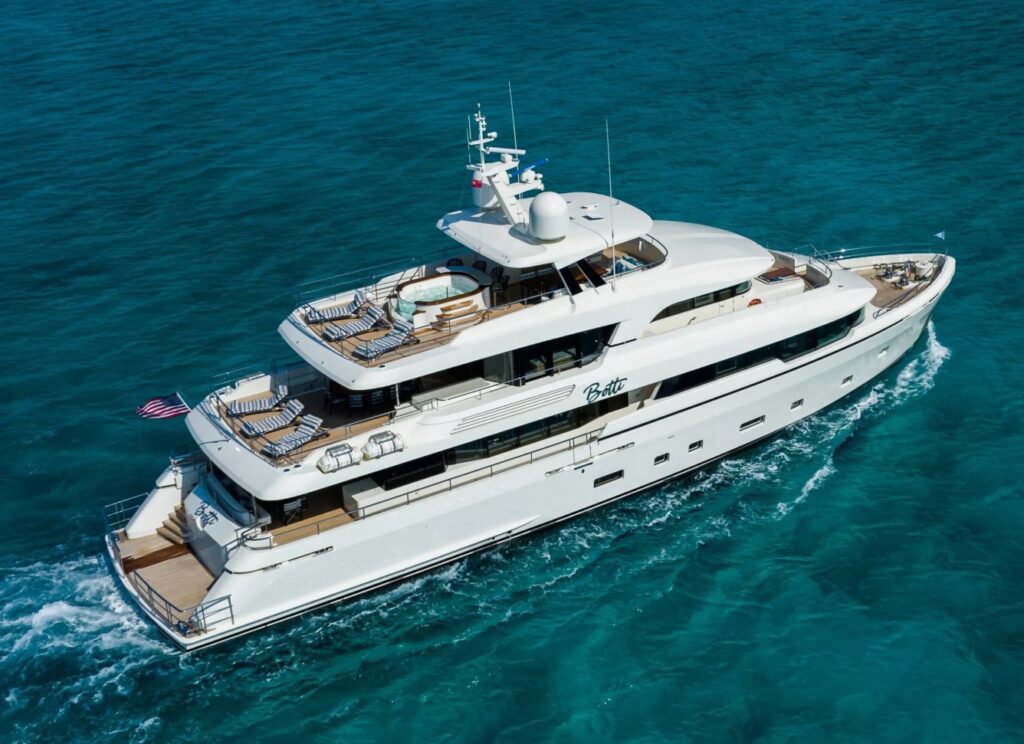
An onboard generator gives boat owners access to electrical power when shore power is unavailable. It can operate air conditioning, refrigeration, lighting, navigation equipment, pumps, and other essential systems. However, generator problems can develop gradually, and early warning signs are often easy to overlook. Boat Work Times helps boat owners with a range of marine repair needs, while regular marine generator services can help identify developing issues before they interrupt a trip.
Difficulty Starting Should Not Be Ignored
A generator that suddenly becomes difficult to start may have a problem with its battery, fuel system, electrical controls, or engine components.
Occasional starting difficulties can have a simple explanation, especially after a long storage period. However, repeated attempts to start the generator should not become a normal part of operation.
Owners should pay attention if the generator:
- Takes longer than usual to start
- Requires several attempts
- Starts and then immediately stops
- Produces unusual sounds during startup
- Cranks slowly
A technician can test the starting and fuel systems to determine where the problem originates.
Unstable Electrical Output Can Damage Equipment
A generator is expected to provide consistent electrical power. If voltage or frequency fluctuates, connected equipment may behave unpredictably.
Lights may flicker, air conditioning systems may shut down, and sensitive electronics can restart unexpectedly. These symptoms should not automatically be blamed on the appliances themselves.
The generator’s electrical output, connections, controls, and related components should be inspected. Professional marine generator services can include testing the system to determine whether the generator is producing stable power.
Overheating Requires Immediate Attention
Generators produce substantial heat during operation, so their cooling systems must work correctly. Overheating can result from restricted water flow, damaged hoses, worn impellers, coolant problems, blocked passages, or other mechanical issues.
Warning signs may include:
- Rising temperature readings
- Automatic shutdowns
- Steam or unusual heat
- Reduced generator performance
- Coolant or water leaks
Continuing to operate an overheating generator can increase the risk of serious component damage. The cause should be identified before the equipment is returned to normal operation.
Changes in Exhaust Smoke Can Reveal Problems
Exhaust appearance can provide useful information about the condition of a generator engine. A sudden change in smoke color or quantity deserves attention, particularly when it occurs together with poor performance or unusual engine sounds.
Excessive black smoke can be associated with combustion or air-supply issues. Blue smoke may indicate oil consumption, while persistent white smoke can have several possible causes related to fuel or combustion.
Smoke color alone does not provide a complete diagnosis, but it can help technicians determine which systems require further inspection.
Unusual Noises May Indicate Mechanical Wear
Generators naturally produce engine and exhaust sounds, but owners often become familiar with the normal operating noise of their equipment.
A new knocking, rattling, squealing, grinding, or unusual vibration should therefore be investigated.
Possible causes range from loose components and worn belts to mounting problems or internal mechanical wear. Detecting these changes early can help prevent a relatively manageable problem from developing into a major repair.
Fuel Problems Can Affect Generator Performance
Poor fuel quality can create several generator problems. Water, sediment, contamination, and degraded fuel can interfere with combustion and make the engine difficult to start or keep running.
Fuel filters should be maintained according to the manufacturer’s recommendations. If contamination repeatedly appears in the system, replacing the filter alone may not solve the problem.
The fuel tank and delivery system may also require inspection to determine why contamination is reaching the generator.
Check for Oil and Coolant Leaks
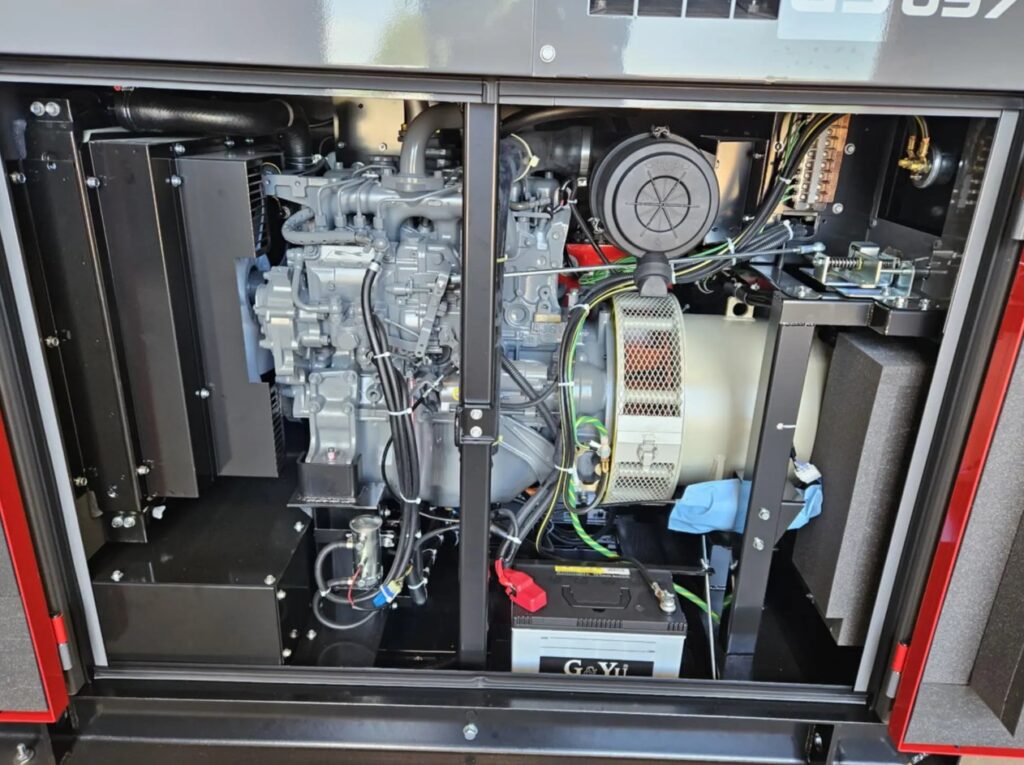
Leaks should never be considered normal generator behavior. Oil, coolant, or fuel appearing around the equipment may indicate a deteriorated hose, gasket, seal, fitting, or connection.
Even a small leak can become more serious as the generator operates and components heat up.
Boat owners should periodically inspect the generator compartment for fresh residue or unusual odors. Finding a leak early gives technicians a better opportunity to identify its source before fluid loss affects generator operation.
Excessive Vibration Can Cause Additional Damage
Marine generators are exposed to continuous vibration while operating. Proper mounting helps control movement and protects surrounding components.
If vibration suddenly becomes stronger, the cause should be investigated. A damaged mount, loose hardware, alignment issue, or mechanical problem may be responsible.
Excessive vibration can also place additional stress on wiring, hoses, exhaust components, and connections. Addressing the original problem can therefore protect more than the generator itself.
Unexpected Shutdowns Need Proper Diagnosis
A generator that shuts down without warning can create serious inconvenience, particularly when several onboard systems depend on it.
Modern generators may automatically shut down when sensors detect conditions such as low oil pressure, high temperature, or other faults. While this protection can prevent further damage, the reason for the shutdown still needs to be identified.
Repeated automatic shutdowns should not simply be reset each time. Marine generator services can help determine whether the system is responding to a genuine mechanical problem, a faulty sensor, or an electrical control issue.
Regular Maintenance Helps Prevent Major Problems
The best time to discover a generator problem is usually before the boat leaves the dock.
Routine maintenance can include inspections and service of:
- Engine oil
- Oil filters
- Fuel filters
- Cooling components
- Belts and hoses
- Batteries
- Electrical connections
- Exhaust components
- Generator mounts
- Control systems
Following the manufacturer’s recommended service intervals provides a useful foundation for maintaining reliable operation.
When Professional Service Is the Right Choice
Some basic checks can be performed by boat owners, but complicated generator problems require appropriate diagnostic equipment and technical experience.
Professional marine generator services are particularly useful when a generator repeatedly fails to start, overheats, produces unstable power, shuts down unexpectedly, develops unusual smoke, or shows signs of fluid leakage.
A complete diagnosis can identify the actual source of the problem instead of relying on repeated component replacement.
Final Thoughts
A marine generator can be one of the most useful systems aboard a modern boat, but reliable performance depends on regular attention. Starting difficulties, unstable power, overheating, unusual smoke, vibration, leaks, and unexpected shutdowns are all reasons to investigate the generator’s condition.
Recognizing these warning signs early can help boat owners address problems before they become more expensive or disruptive. With regular marine generator services and proper preventive maintenance, an onboard generator can remain ready to provide dependable power throughout the boating season.