
A fiberglass boat can handle years of use, but regular contact with docks, waves, trailers, and submerged objects can gradually affect the hull. Some damage is immediately visible, while other problems begin as small cracks or changes in the surface. Boat Work Times helps boat owners address different marine repair needs, and understanding when fiberglass repair is necessary can help prevent minor hull problems from becoming expensive restoration projects.
Docking Damage Is More Common Than Many Owners Expect
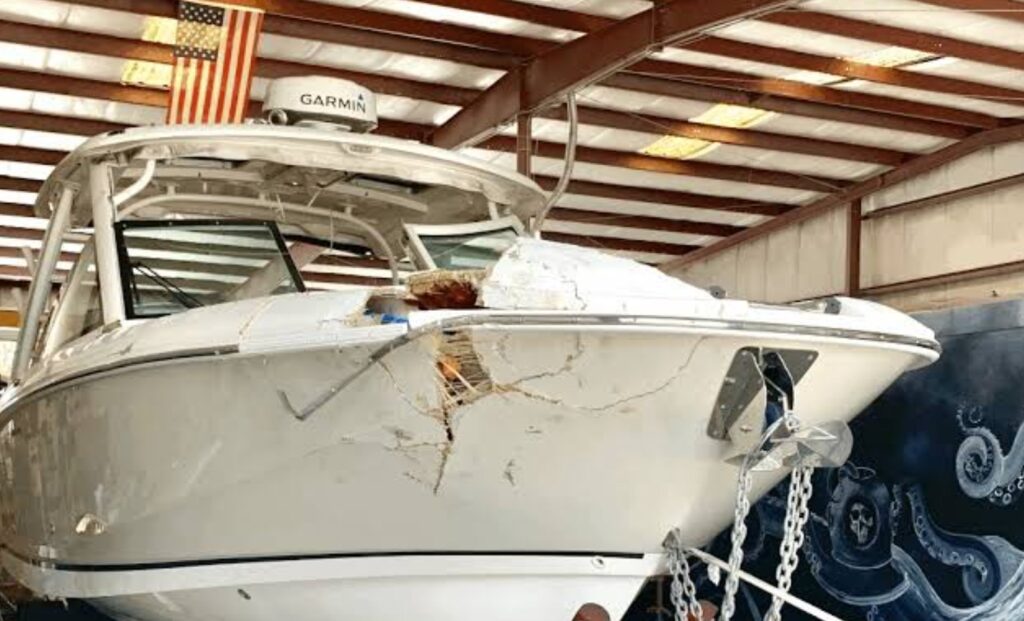
Docking is one of the simplest parts of boating, yet it can create significant stress on a fiberglass hull. A hard impact against a piling, dock edge, or another vessel can produce scratches, chips, cracks, or deeper laminate damage.
The damage may initially appear cosmetic. However, a strong impact can affect fiberglass beneath the outer finish even when the visible mark is relatively small.
After a noticeable collision, owners should inspect the surrounding area for changes in shape, cracking, or soft spots. A professional assessment can determine whether the problem is limited to the surface or extends deeper into the structure.
Trailer Use Can Also Affect the Hull
Boat trailers provide convenient transportation, but improper support can place unnecessary pressure on the hull.
Incorrectly positioned bunks or rollers may concentrate weight in areas that were not designed to carry it. Over time, this can contribute to stress cracks or deformation.
Before transporting a boat regularly, owners should make sure the hull is properly supported. If cracks appear in areas that contact trailer supports, the cause should be investigated rather than simply filling the visible defect.
Small Chips Should Be Repaired Promptly
A small chip in the gelcoat may not seem important, particularly if the boat continues to perform normally. However, damaged surface protection can expose the underlying fiberglass to moisture and environmental conditions.
The longer exposed material remains unprotected, the greater the opportunity for additional deterioration.
A basic inspection should determine whether the damage is superficial or whether the fiberglass underneath has also been affected. When the laminate is exposed or damaged, fiberglass repair can restore the affected area and provide a proper surface for refinishing.
Stress Cracks Need More Than Cosmetic Attention
Stress cracks often appear around areas where the hull experiences repeated movement or concentrated loads. They may develop near fittings, corners, hardware installations, or other structural transition points.
The pattern of the cracking can provide clues about the underlying issue. Several cracks appearing in the same area may indicate that the problem involves more than the outer finish.
Covering the cracks with new coating may improve the appearance temporarily, but it does not necessarily address the reason they appeared. The damaged area should be examined before deciding on the appropriate repair method.
Moisture Can Make Existing Damage More Complicated
Fiberglass boats operate in a wet environment, so moisture control is an important part of hull maintenance. Damaged coatings, cracks, and poorly sealed fittings can create pathways for water to reach areas that should remain protected.
Moisture-related problems may take time to become noticeable. Owners might see discoloration, blistering, surface changes, or recurring damage around a previously repaired area.
Proper fiberglass repair should therefore address both the visible defect and the conditions that allowed moisture to enter the affected area.
Hardware Areas Deserve Special Attention
Boat hardware can place additional stress on the surrounding fiberglass. Cleats, rails, ladders, fittings, and other components are attached to the hull or deck and may experience significant loads during normal use.
Check these areas periodically for:
- Cracks around mounting points
- Loose hardware
- Water intrusion
- Discoloration
- Movement during use
- Damaged sealant
If hardware becomes loose, simply tightening the fastener may not be enough. The fiberglass around the mounting point could already be compromised and may require inspection.
Why Surface Preparation Matters During Repairs
Fiberglass materials cannot simply be applied over a dirty or unstable surface and expected to provide a durable result. Proper preparation is an important part of the repair process.
Depending on the damage, preparation may involve removing weak material, sanding the surrounding surface, cleaning contamination, and creating enough bonding area for new reinforcement.
The damaged section may then be rebuilt using appropriate fiberglass materials and resin. Once the structural work is complete, the surface can be shaped and prepared for its final finish.
Matching the Original Finish Can Be Challenging
A repaired hull should not only be structurally sound but also look consistent with the surrounding surface.
Older boats can be difficult to match because sunlight, oxidation, polishing, and weather exposure gradually change the original color and texture. A new repair may therefore appear noticeably different if the finishing process does not account for the existing surface.
Professional fiberglass repair can include the final cosmetic work needed to blend the repaired section with the surrounding hull or deck.
Regular Hull Inspections Make a Difference
Boat owners do not need to wait for obvious damage before inspecting the hull. A quick inspection after an impact or before the boating season can reveal issues while they are still manageable.
Pay particular attention to:
- The bow and keel
- Areas near dock contact points
- Trailer support locations
- Hardware mounting areas
- Previous repair sites
- The waterline
- Visible cracks or chips
Keeping track of existing damage can also make it easier to notice whether a defect is growing or changing over time.
When Should You Consider Professional Service?
Professional fiberglass repair becomes especially important when damage involves the laminate, covers a large area, follows a significant collision, or continues to return after previous repairs.
It is also worth arranging an inspection when the hull develops unexplained soft spots, structural cracks, deformation, or signs of water intrusion.
A proper assessment can determine the extent of the damage and prevent owners from spending money on a cosmetic fix when the underlying structure requires attention.
Final Thoughts
Fiberglass hulls are built for demanding marine conditions, but regular impacts and environmental exposure can eventually take their toll. Docking accidents, trailer pressure, hardware movement, cracks, chips, and moisture can all contribute to hull deterioration.
The sooner a problem is identified, the easier it may be to control. Regular inspections combined with timely fiberglass repair can help protect the hull, preserve its appearance, and keep a boat ready for continued use.